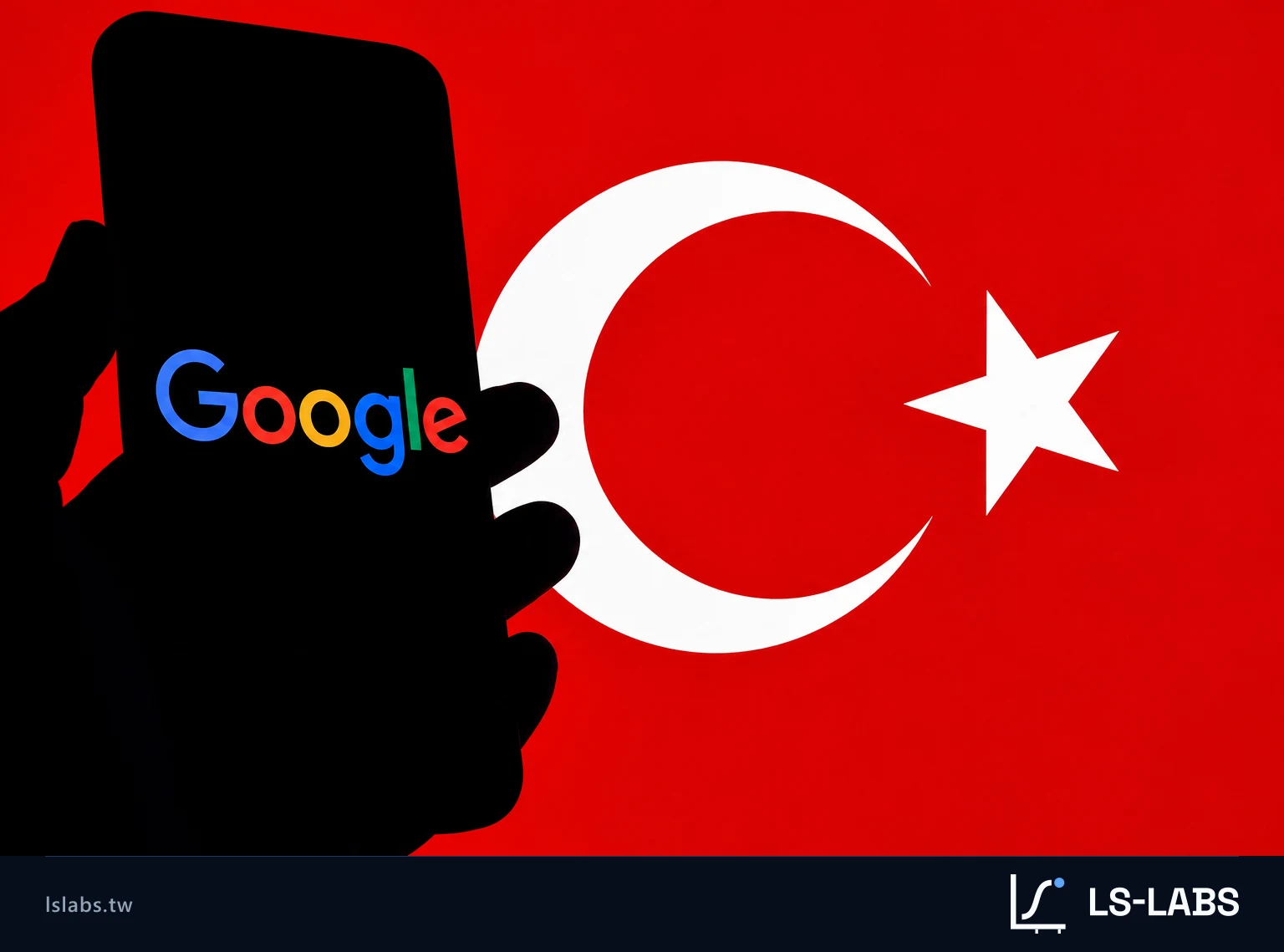
The Turkish Competition Authority (Rekabet Kurumu) announced on November 2 that it has opened an antitrust investigation into Google, to determine whether Google abuses its dominant market position through AI Overviews and AI Mode in Search. A preliminary inquiry that began on August 27 focused on four questions: whether these two features reduce traffic to news publishers and other creators; whether content-use agreements contain unfair terms; whether they squeeze out content businesses or other AI chat assistants; and whether Google treats publishers differently when it selects news sources or signs licensing agreements. Turkish Competition Authority official announcement (November 2, 2026, in Turkish)
On October 8, the Competition Board decided on interim measures. They require Google to treat publishers fairly, to make its terms of use reflect the economic value of news content, and to guarantee that publishers can decide for themselves whether their content is used in these two AI features, without that choice affecting their visibility and indexing in other Google services.
It is worth noting that Google rolled out a separate opt-out control for AI search to websites worldwide at the end of August this year. So the dispute is not only about whether a site can refuse to let AI use its content; it also covers whether content licensing terms, and the treatment of different publishers, are fair.
From an SEO and GEO perspective, though, this case touches a deeper question of trust.
In the past, SEO and digital marketing practitioners followed the rules of search engines and earned visibility through technical optimization, content quality and site authority. Now that AI integrates information and generates answers directly, whether a site gets cited has become another factor that shapes brand visibility.
The problem is this: if Google controls not only the entry point to search but can also influence which sources AI cites first, through opaque selection criteria, commercial arrangements or other human intervention, then the competitive environment marketers face may no longer be a simple comparison of content quality and technical ability.
That is not to say Google has been shown to manipulate AI citation results. Search algorithms have always had to filter information, and AI citation of sources can never be perfectly neutral. But when one company controls both a major entry point to the search market and the mechanism by which AI answers select information, whether outsiders can tell normal algorithmic ranking from unfair commercial interference becomes a question worth watching.
Going a step further, as users grow used to reading AI-compiled answers instead of opening the original sites one by one, a platform’s choice of sources will shape more directly which viewpoints, brands and content users encounter.
For advertisers and content publishers, this is not only a matter of AI diverting traffic. It is a question of whether the content they invest in can gain exposure under a transparent and fair mechanism.
As AI increasingly becomes the main way people get information, what may matter more is not only what AI tells people, but who has the power to decide what AI lets people see.
Further reading: Anthropic’s 2026 policy targets deceptive sources behind AI answers